Looking for a natural remedy for aphids? These 10 proven methods use simple, natural aphid repellent ingredients to protect your plants without harsh chemicals.
Natural Remedy for Aphids: 10 Sprays That Actually Work
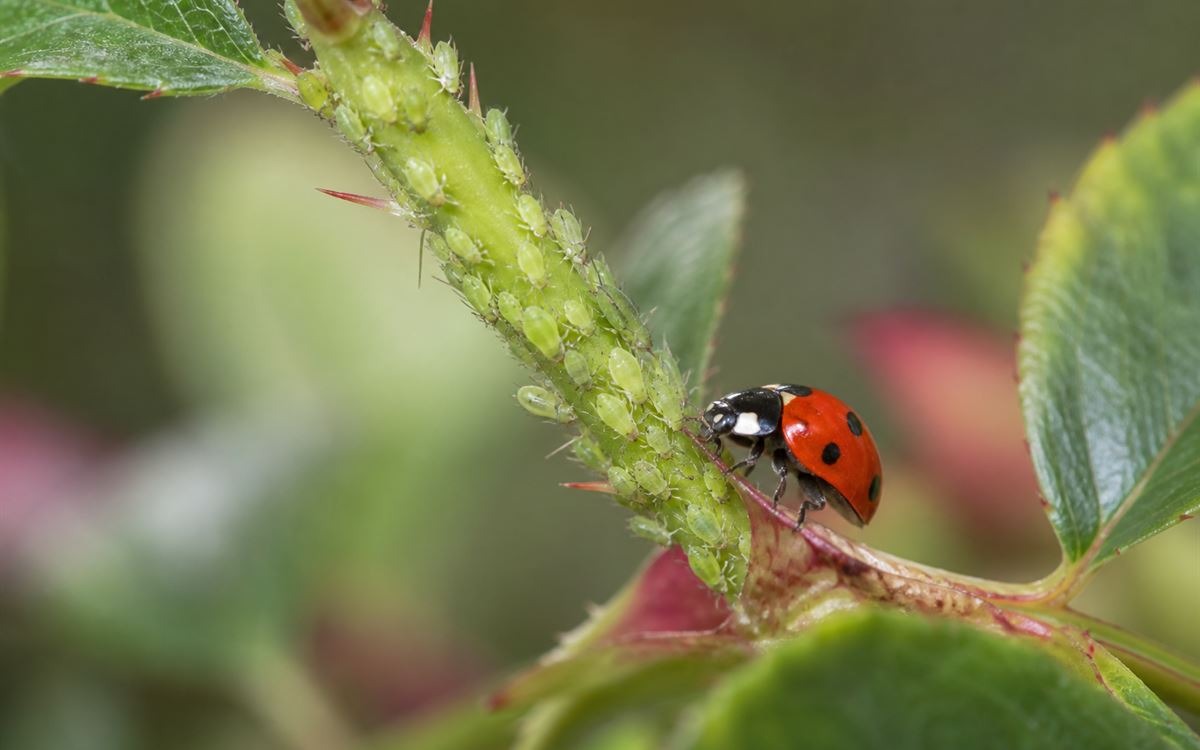
Natural Aphid Repellent Sprays That Work
1. Soap spray — Mix 1-2 teaspoons of mild liquid soap with a litre of water and spray directly on aphids.
2. Neem oil — A natural pesticide that disrupts aphid feeding and reproduction when sprayed weekly.
3. Garlic spray — Blend garlic with water, strain, and spray; the smell repels aphids naturally.
Natural Aphid Control in the Garden
4. Companion planting — Marigolds, chives and garlic planted nearby help repel aphids.
5. Ladybugs — Introduce ladybugs, which naturally prey on aphids.
6. Strong water spray — Blast aphids off leaves with a hose; effective for light infestations.
Preventing Aphids Naturally
7. Reflective mulch — Confuses aphids and reduces landing on plants.
8. Regular inspection — Check the undersides of leaves weekly to catch infestations early.
9. Avoid over-fertilising — Excess nitrogen makes new growth more attractive to aphids.
10. Sticky traps — Yellow sticky traps catch flying aphids before they settle.
Frequently Asked Questions
Are aphids harmful to humans?
No, aphids do not bite or sting humans. They are strictly plant pests.
Will aphids kill my plants?
Small populations rarely kill plants, but heavy infestations weaken plants and can transmit viruses. Treat promptly.
How often should I apply neem oil?
Apply every 7-14 days until aphids are controlled. Spray in evening to avoid leaf burn.
Share:


Comments