Composting transforms kitchen scraps and yard waste into nutrient-rich gold for your garden. It's free, eco-friendly, and easier than you might think.
Composting for Beginners: Turn Waste into Gold
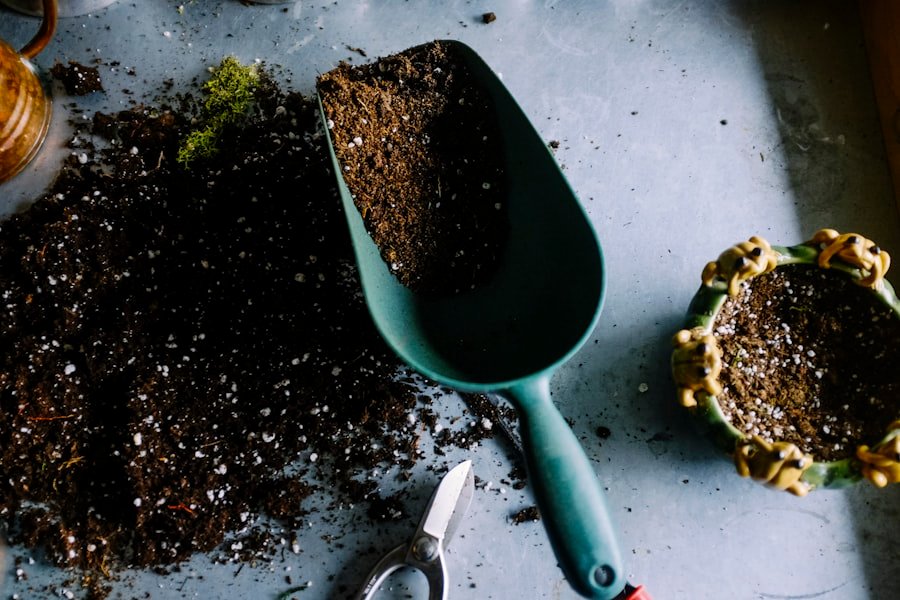
Getting Started with Composting
Choose a composting method: backyard bin, tumbler, or worm composting (vermicomposting) for small spaces. Place your bin in a partially shaded spot with good drainage, accessible year-round.
What to Compost
Greens (nitrogen): Fruit scraps, vegetable peels, coffee grounds, grass clippings, fresh leaves. Browns (carbon): Dry leaves, straw, cardboard, newspaper, wood chips. Aim for a 3:1 ratio of browns to greens.
Maintaining Your Compost
Turn the pile every 1-2 weeks to aerate and speed decomposition. Keep moisture like a wrung-out sponge. Finished compost is dark, crumbly, and earthy-smelling — typically ready in 3-6 months.
Frequently Asked Questions
Can I compost in an apartment?
Yes! Use a worm bin or Bokashi system designed for indoor composting without odors.
What should never go in compost?
Avoid meat, dairy, oils, diseased plants, pet waste, and treated wood products.
Why does my compost smell bad?
Bad odors usually mean too much moisture or not enough air. Add browns and turn the pile more frequently.
Share:


Comments