Starting your first vegetable garden can feel confusing. You may wonder where to place it, what vegetables to grow, or whether your soil is good enough. The good news is that you do not need a large backyard, expensive tools, or years of gardening experience.
This guide explains how to start a vegetable garden for beginners using simple and practical steps. You will learn how to choose a sunny location, prepare healthy soil, select easy vegetables, plant correctly, and care for your crops throughout the growing season. Start with a small space, grow foods your family enjoys, and treat your first season as a chance to learn.
Why Start a Vegetable Garden?
Growing vegetables at home gives you access to fresh produce just a few steps from your kitchen. It can also help you spend more time outdoors, build a relaxing routine, and understand how food grows.
A vegetable garden may also help reduce part of your grocery bill, especially when you grow productive crops such as tomatoes, beans, zucchini, herbs, and leafy greens.
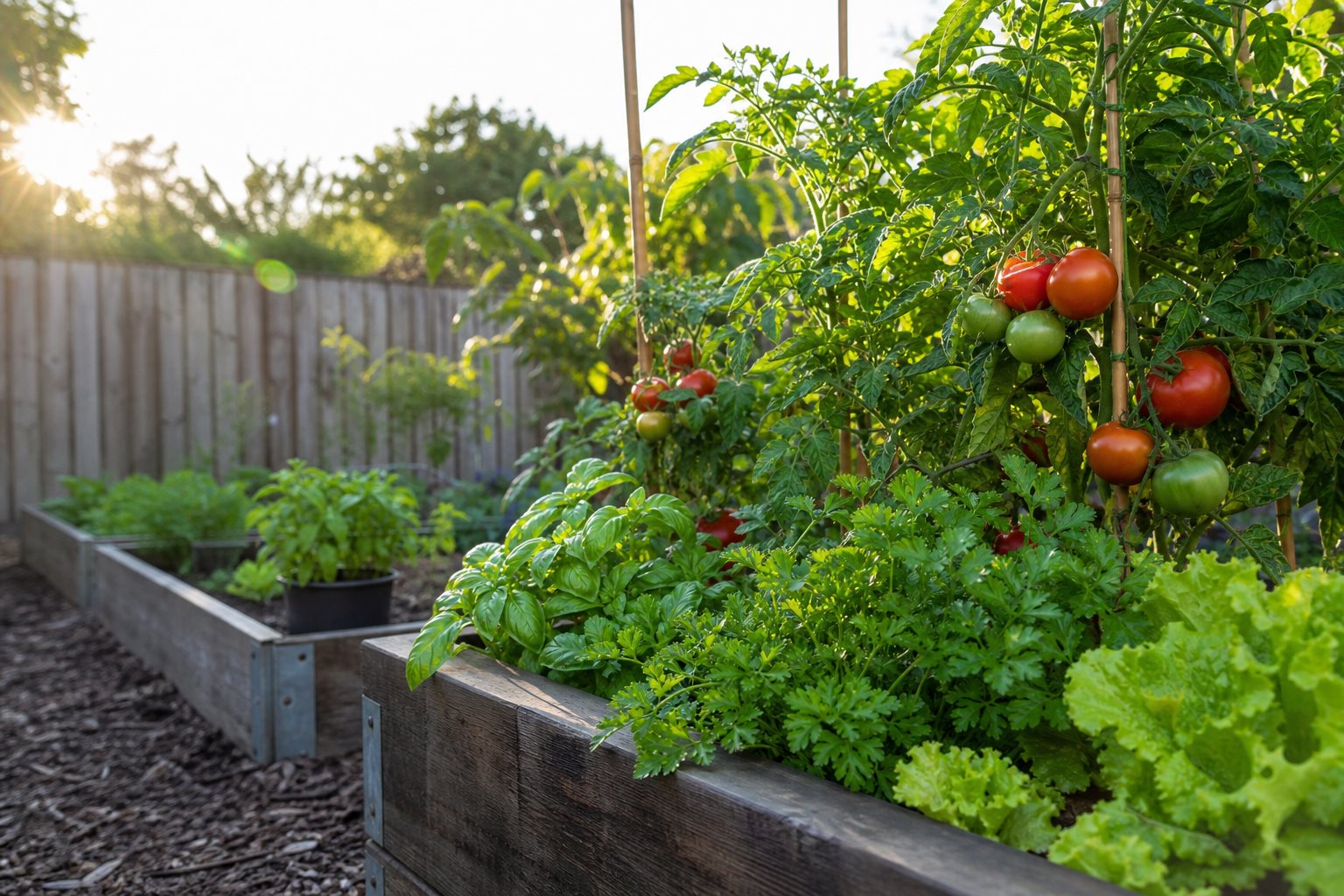
You do not need a traditional backyard garden. Vegetables can grow successfully in:
- Raised garden beds
- Small in-ground plots
- Containers and pots
- Grow bags
- Balcony planters
- Vertical garden systems
The best garden is one that matches your available space, time, and budget.
Choose the Right Location for Your Garden
Most vegetables need at least six to eight hours of direct sunlight each day. Observe your yard, balcony, or patio at different times and select the area that receives the most consistent sunlight.
Your garden location should also be:
- Close to a convenient water source
- Easy to access for regular care
- Protected from strong winds
- Away from large tree roots
- Free from standing water after rain
Leafy vegetables such as lettuce, spinach, and kale can tolerate some partial shade. Fruiting crops such as tomatoes, peppers, cucumbers, and squash usually need full sun to produce a good harvest.
Keep the first garden small. A 4-by-4-foot raised bed, a 4-by-8-foot plot, or four to six containers is enough for most beginners.
Prepare Healthy Soil Before Planting
Healthy soil is one of the most important parts of a productive vegetable garden. Good garden soil should hold enough moisture for plant roots while allowing excess water to drain.
For an in-ground vegetable bed, remove grass, weeds, stones, and large roots. Loosen the top 8 to 12 inches of soil and mix in two to three inches of finished compost.
For raised beds, use a quality raised-bed soil mix containing topsoil, compost, and materials that improve drainage. Containers should be filled with potting mix rather than heavy soil taken directly from the yard.
A basic soil test can help identify the soil pH and nutrient levels. Most vegetables grow well in slightly acidic to neutral soil, generally around pH 6.0 to 7.0.
Avoid adding large amounts of fertiliser before knowing what the soil needs. Too much fertiliser can damage roots or produce excessive leaves with fewer vegetables.
Choose Easy Vegetables for Beginners
Choose vegetables that your household enjoys eating and that are suitable for your local climate. Beginners usually get better results by growing four or five crop types instead of planting too many varieties at once.
Some easy vegetables for a first garden include:
- Radishes: Fast-growing and suitable for small spaces
- Lettuce: Easy to grow and harvest gradually
- Bush beans: Productive and do not require tall supports
- Cherry tomatoes: Reliable when given full sun and support
- Cucumbers: Productive and easy to grow vertically
- Zucchini: Fast-growing and capable of producing large harvests
- Carrots: Suitable for loose, stone-free soil
- Herbs: Basil, parsley, chives, and coriander are useful choices
Check your local last spring frost date before planting. Lettuce, peas, radishes, carrots, and spinach prefer cooler weather. Tomatoes, peppers, cucumbers, beans, and squash should usually be planted after the danger of frost has passed.
Plan and Plant Your Vegetable Garden
Create a simple garden layout before planting. Place taller vegetables where they will not block sunlight from shorter crops. In many gardens, taller plants are positioned along the north side of the bed.
Always follow the spacing instructions printed on the seed packet or plant label. Overcrowded vegetables compete for sunlight, water, and nutrients. Crowding can also reduce airflow and increase the risk of fungal disease.
Vegetables such as carrots, beans, peas, radishes, lettuce, cucumbers, and squash can often be planted directly from seed. Tomatoes, peppers, broccoli, and eggplants may be easier for beginners when purchased as young nursery plants.
To transplant a seedling:
- Water the plant before removing it from its container.
- Dig a hole slightly wider than the root ball.
- Carefully loosen any tightly circling roots.
- Place the plant at the recommended depth.
- Fill the hole with soil and press gently.
- Water thoroughly after planting.
Add stakes, cages, or trellises early for tomatoes, cucumbers, pole beans, and peas. Installing supports before the plants grow large reduces the risk of root and stem damage.
Water, Mulch, and Feed Your Vegetables
Vegetable gardens generally need about one inch of water per week, but the exact amount depends on temperature, rainfall, soil type, and the growing method.
Containers and raised beds may dry faster than in-ground gardens. Check the soil by pushing your finger one or two inches below the surface. Water when the soil feels dry at that depth.
Water slowly and deeply near the base of each plant. Morning is usually the best time because the plants can absorb moisture before the hottest part of the day. Avoid keeping leaves wet overnight, as this may encourage fungal problems.
Once the plants become established, spread a two- to three-inch layer of mulch around them. Suitable mulch materials include:
- Clean straw
- Shredded leaves
- Untreated grass clippings
- Compost
- Fine wood chips around pathways
Keep mulch slightly away from plant stems to prevent moisture-related rot.
Compost may provide enough nutrition during the early stages. Heavy-feeding vegetables such as tomatoes, peppers, cucumbers, and squash may benefit from additional vegetable fertiliser. Follow the product instructions and avoid overfeeding.
Common Vegetable Gardening Mistakes to Avoid
Beginners often make a few simple mistakes that can reduce plant growth and harvests.
Starting too large is one of the most common problems. A large garden requires more watering, weeding, pest control, and maintenance. Begin with a manageable area and expand after gaining experience.
Other mistakes include:
- Planting vegetables in an area with too little sunlight
- Using containers without drainage holes
- Planting warm-season vegetables before the last frost
- Placing plants too close together
- Watering lightly without reaching the root zone
- Allowing weeds to compete with young plants
- Using too much fertiliser
- Ignoring early signs of pests or disease
- Planting more vegetables than the household can use
Avoid sowing an entire packet of fast-growing seeds at the same time. Plant smaller batches of lettuce, carrots, and radishes every two or three weeks for a more consistent harvest.
Expert Tips for a More Productive Garden
Keep a simple garden notebook. Record planting dates, vegetable varieties, weather conditions, pest problems, and harvest results. These notes will help you make better decisions next season.
Use vertical space whenever possible. Trellises allow cucumbers, peas, and climbing beans to grow upward, leaving more ground space for other vegetables.
Plant flowers such as marigolds, calendula, alyssum, and nasturtiums around the garden. Flowers can add colour and attract pollinators and other beneficial insects.
Inspect your plants several times each week. Look beneath the leaves for insects, remove weeds while they are small, and check for yellow leaves, spots, holes, or wilting.
Harvest vegetables regularly. Frequent harvesting encourages beans, zucchini, cucumbers, and many leafy vegetables to continue producing.
Most importantly, do not expect every plant to perform perfectly. Weather, insects, soil conditions, and planting dates can affect results. Use each season to improve your gardening skills.
Start Growing Your First Vegetable Garden
Learning how to start a vegetable garden for beginners comes down to a few practical decisions. Choose a sunny location, prepare healthy soil, plant suitable vegetables at the right time, and provide consistent water and care.
Your first garden does not need to be large or perfect. Start with one small bed or a few containers, observe how your plants respond, and make improvements as you gain experience.
Choose two or three vegetables to plant this week and begin your gardening journey. Share what you plan to grow in the comments and subscribe to Gardixo for more seasonal gardening guides and practical plant-care advice.


Comments