Are you wondering why your rubber plant is losing leaves, growing slowly, or looking unhealthy? Proper Rubber Plant Care is the key to keeping this beautiful indoor plant thriving. Rubber plants are popular among beginners because they are attractive, low-maintenance, and can adapt well to indoor environments when given the right conditions.
In this beginner-friendly guide, you’ll learn everything about caring for a rubber plant, including sunlight needs, watering routines, soil requirements, pruning methods, and common mistakes to avoid. Whether you just bought your first rubber plant or want to improve your plant care skills, these practical tips will help you grow a healthy and beautiful plant.
What Is a Rubber Plant and Why Is Proper Care Important?
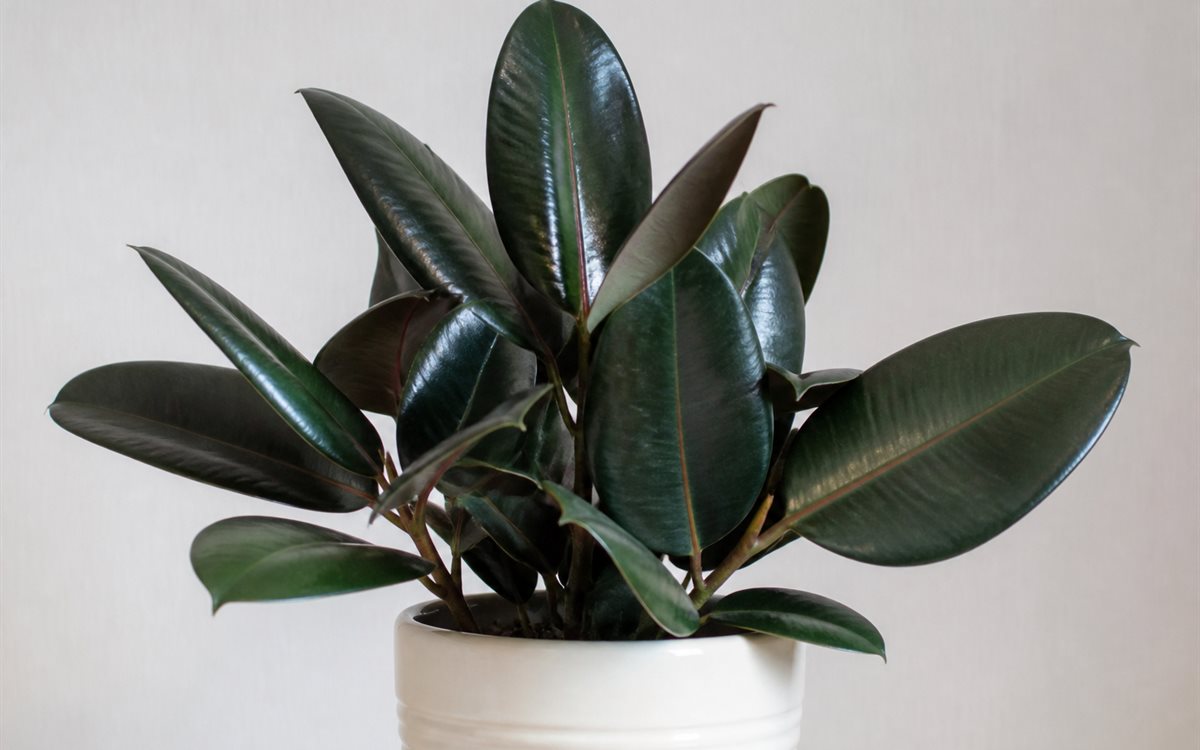
The rubber plant (Ficus elastica) is a popular tropical houseplant known for its large, glossy leaves and easy-growing nature. Native to Southeast Asia, this plant can grow into an impressive indoor tree when provided with suitable conditions.
Although rubber plants are considered beginner-friendly, they still need proper attention to stay healthy. Good Rubber Plant Care helps prevent common problems like yellow leaves, leaf drop, root problems, and slow growth.
The main factors that affect rubber plant health include:
- Bright but indirect sunlight
- Correct watering habits
- Well-draining soil
- Comfortable indoor temperatures
- Regular cleaning and pruning
With the right routine, your rubber plant can grow for many years and become a beautiful feature in your home.
How to Care for a Rubber Plant: Step-by-Step Guide
Follow these simple steps to keep your rubber plant healthy and growing strong.
- Provide the Right Light
Rubber plants prefer bright, indirect light. Place your plant near an east or south-facing window where it receives plenty of filtered sunlight.
Avoid harsh direct sunlight because it can burn the leaves and create brown patches. If your plant becomes tall and weak with small leaves, it may need more light.
- Water Properly
Watering is one of the most important parts of rubber plant care. Allow the top 1-2 inches of soil to dry before watering again.
Signs of overwatering include:
- Yellow leaves
- Soft stems
- Root problems
Signs of underwatering include:
- Drooping leaves
- Dry soil
- Leaf edges turning brown
Always use a pot with drainage holes to prevent excess water from collecting.
- Choose the Right Soil
Rubber plants grow best in loose, well-draining soil. A quality indoor potting mix combined with perlite or orchid bark improves drainage and prevents root issues.
- Maintain Temperature and Humidity
Keep your rubber plant in temperatures between 60°F and 80°F. Avoid placing it near cold drafts, heaters, or air conditioners.
Average indoor humidity is usually enough, but slightly higher humidity can encourage healthier leaves.
- Fertilize During Growing Season
Feed your rubber plant with a balanced liquid fertilizer during spring and summer. Fertilizing every 4-6 weeks supports new leaf growth.
Avoid over-fertilizing because it can damage the roots and create leaf problems.
Common Rubber Plant Care Mistakes to Avoid
Even easy-care plants can struggle when basic needs are ignored. Avoid these common mistakes:
Overwatering: The most common problem is giving too much water. Always check soil moisture before watering.
Poor lighting: Keeping the plant in a dark corner can slow growth and cause leaf loss.
Ignoring dusty leaves: Large rubber plant leaves collect dust, which can reduce photosynthesis. Wipe leaves gently with a damp cloth every few weeks.
Moving the plant too often: Rubber plants dislike sudden environmental changes. Keep them in a stable location whenever possible.
Using the wrong pot: A container without drainage holes can quickly lead to root rot.
Expert Tips for Growing a Healthy Rubber Plant
Experienced gardeners use a few simple tricks to encourage stronger growth.
- Rotate your plant every few weeks so all sides receive balanced light.
- Clean leaves regularly to keep them shiny and healthy.
- Prune during active growth seasons to encourage branching.
- Repot when roots become crowded or grow through drainage holes.
- Use filtered or rested water if your tap water contains high minerals.
A little consistency goes a long way. Rubber plants respond better to a stable routine than frequent changes.


Comments